


Seafoam


If i remember right its 1/3rd of the can in to the engine crank case and drive it 40-50 miles then dump it . I haven't done that method so dont take that as gospel . I suck half a can threw the intake to get to the intake valves because with Direct Injection the intake valves don't see any fuel to clean them off and they can get gummed up pretty quick.

Senior Member
Joined: 08-23-09
Posts: 1,813
Likes: 0
From: USA
I havent done it on my cobalt yet, ive also been thinking about it. I did however do it on my beater 95 K1500 TBI. I put half a can through the brake booster, smoked like a bitch! Let it run for like 5-10 mins than shut it off. Let it sit about 10, and did it again, but this time I was under the truck as my buddy put it in cuz I was looking for exhaust leaks (the white smoke is a great way to find one, which I did). Truck did run a lot better, and got rid of the valve tap - valve was prob just sticking, so you know it cleaned it out.

Junior Member
Joined: 03-03-09
Posts: 419
Likes: 0
From: Montreal, Quebec
If i remember right its 1/3rd of the can in to the engine crank case and drive it 40-50 miles then dump it . I haven't done that method so dont take that as gospel . I suck half a can threw the intake to get to the intake valves because with Direct Injection the intake valves don't see any fuel to clean them off and they can get gummed up pretty quick.


Senior Member
Joined: 03-09-09
Posts: 582
Likes: 0
From: Manassas, VA
I say check with a dealership before using any of this stuff on an LNF at least. Our cars aren't like most cars out there because of the direct injection so it's better to be safe then sorry.


Senior Member
Joined: 12-05-10
Posts: 3,877
Likes: 3
From: newmarket
Take 1/3 and put it in the gas tank
Take 1/3 and put it in the crankcase
Take 1/3 and funnel it SLOWLY into the brake booster hose
Turn car off
Let sit for 10 mins
Turn car back on
Run all that shut out , by either reving the engine up on and off, or drive around till no more smoke billows out the back,
Drive on that tank of oil for a bit, 50-100km?
Change oil
Done
I do it the same way everytime, never any issues
Take 1/3 and put it in the crankcase
Take 1/3 and funnel it SLOWLY into the brake booster hose
Turn car off
Let sit for 10 mins
Turn car back on
Run all that shut out , by either reving the engine up on and off, or drive around till no more smoke billows out the back,
Drive on that tank of oil for a bit, 50-100km?
Change oil
Done
I do it the same way everytime, never any issues
Last edited by C_A_D88; Apr 19, 2011 at 08:09 PM. Reason: Automerged Doublepost


I've been usuing it for sometime and it really helped the car when it was new and had tight valves .... there was an inmediate change in performance and the 35-4K rmp bog was gone. I've used it as a preventative maintaince product ever since. It would have a hard time getting to the PCV system when it basically sucked right into the intake ports in the head . I use the nipple that hooks to the vacuum tank on the intake MANIFOLD along with a small piece of vacuum hose to suck the product straight into the ports.
Last edited by rukkee; Apr 19, 2011 at 09:52 PM.

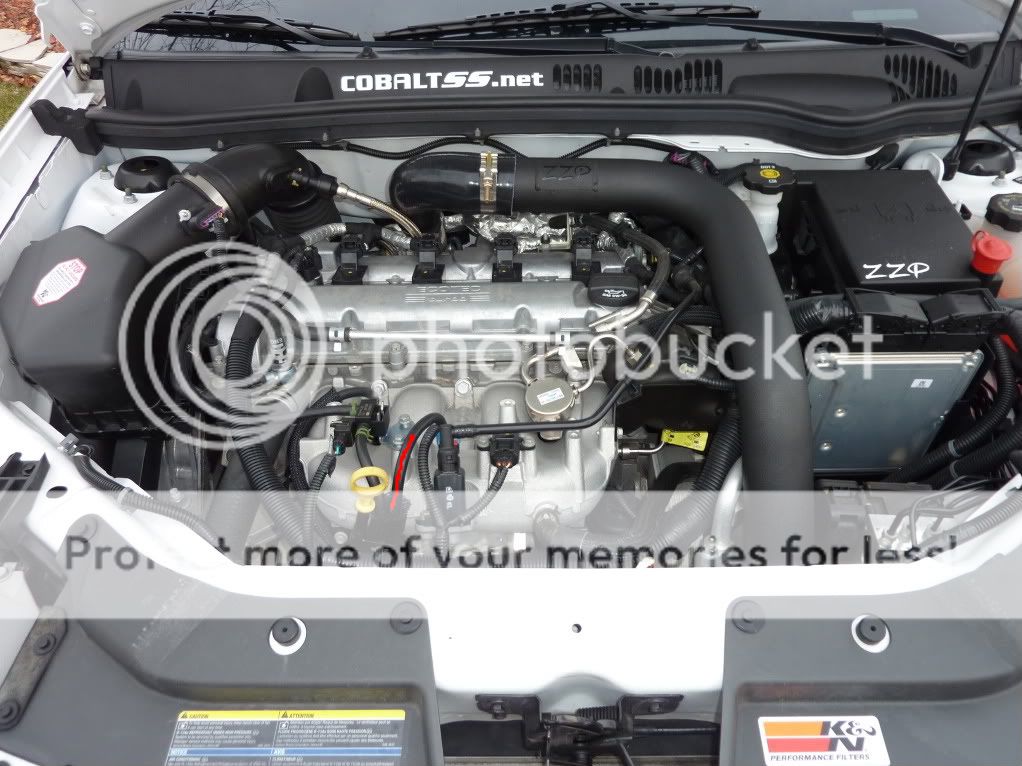
Yep .... disconnect that hose and grab a small piece of vacuum line and hook it up to the nipple in the intake Manifold ..... use the small piece of line to suck 1/3rd -1/2 of the bottle in and shut the car off for 10 minutes or so . then prepare for some smoke.

Senior Member
Joined: 05-18-05
Posts: 1,070
Likes: 1
From: Boston & SoCal
I wouldn't put any solvent in the crankcase of a turbocharged vehicle. Ever. If you're running synthetic there should be absolutely zero reason to run an engine cleaning product through the crankcase as there's a chance it could damage the turbo's bearings if it spools up under load while the product is in the engine or if you don't get all of it out when doing the oil change. If you want to put Sea Foam, ATF, kerosene or some other product in a sludged up old engine from fifty years ago, idle it up to operating temp, then flush and do a couple oil changes in short order it might help remove the sludge and deposits but it's definitely not needed on a modern engine that was specified with synthetic.
I have somewhat mixed opinions on using it in the fuel and intake tract. The contents of Sea Foam are not much different from other fuel injector cleaning products and it shouldn't hurt a regular fuel injector and I don't think it would be an issue with the direct injection injectors and high-pressure DI fuel pump, but then again in high concentrations I wouldn't want to say for certain.
The intake tract I could see it possibly helping to remove deposits from the head of the intake valves but I'd be concerned over some of the sensors and materials used in the vacuum harness that you have to use to draw it into the engine. The Ecotec valves should rotate slightly during regular operation and that will help keep deposits off the valve seat and ensure good sealing. There also shouldn't be as much deposits in the first place as most of them develop from the fuel hitting the valves (which modern fuel additives help reduce) with oils from the valve seals and oil vapors from the crankcase ventilation being the secondary source.
If you could safely inject a cleaner it may remove and reduce some of those valve deposits that do develop over time, but GM does have to emissions certify the car and did a ton of testing and if you're using the correct fuel as well as motor oil then any deposits that form on the valves shouldn't be a long-term issue in a well maintained car. If I was really concerned I'd pull the intake manifold every 75-100k miles and manually clean them or look into periodic use of water injection which won't have the downsides of dumping solvent into the vacuum harness.
I have somewhat mixed opinions on using it in the fuel and intake tract. The contents of Sea Foam are not much different from other fuel injector cleaning products and it shouldn't hurt a regular fuel injector and I don't think it would be an issue with the direct injection injectors and high-pressure DI fuel pump, but then again in high concentrations I wouldn't want to say for certain.
The intake tract I could see it possibly helping to remove deposits from the head of the intake valves but I'd be concerned over some of the sensors and materials used in the vacuum harness that you have to use to draw it into the engine. The Ecotec valves should rotate slightly during regular operation and that will help keep deposits off the valve seat and ensure good sealing. There also shouldn't be as much deposits in the first place as most of them develop from the fuel hitting the valves (which modern fuel additives help reduce) with oils from the valve seals and oil vapors from the crankcase ventilation being the secondary source.
If you could safely inject a cleaner it may remove and reduce some of those valve deposits that do develop over time, but GM does have to emissions certify the car and did a ton of testing and if you're using the correct fuel as well as motor oil then any deposits that form on the valves shouldn't be a long-term issue in a well maintained car. If I was really concerned I'd pull the intake manifold every 75-100k miles and manually clean them or look into periodic use of water injection which won't have the downsides of dumping solvent into the vacuum harness.



I wasn't saying the product won't hit the intake valves, I'm saying the manner in which you are using it won't hit the intake valves. Anything in our gas tank will not hit the intake valves.


Senior Member
Joined: 08-23-09
Posts: 1,813
Likes: 0
From: USA

there is a vac line that runs stright into the mani, use that one, thats what i use. easy and its right there. oh u will need a short hose to do it there, i have one for seafoaming but ya cost u a few cents all u need is a foot